
.svg.png)

What is the difference between chatbots and conversational AI?
![20943438 [Dönüştürülmüş]](https://cdn.prod.website-files.com/691863e040d6bcd46f0e4eb2/697b4e21b90650a10651c59f_20943438-Donusturulmus.svg)
Chatbots and conversational AI technologies play an important role in enhancing customer engagement in the digital world. Both technologies are designed to interact with users, but there are some important differences between them.
In this article we will examine the differences between chatbots and conversational AI.
What is a Chatbot? What Does It Do?
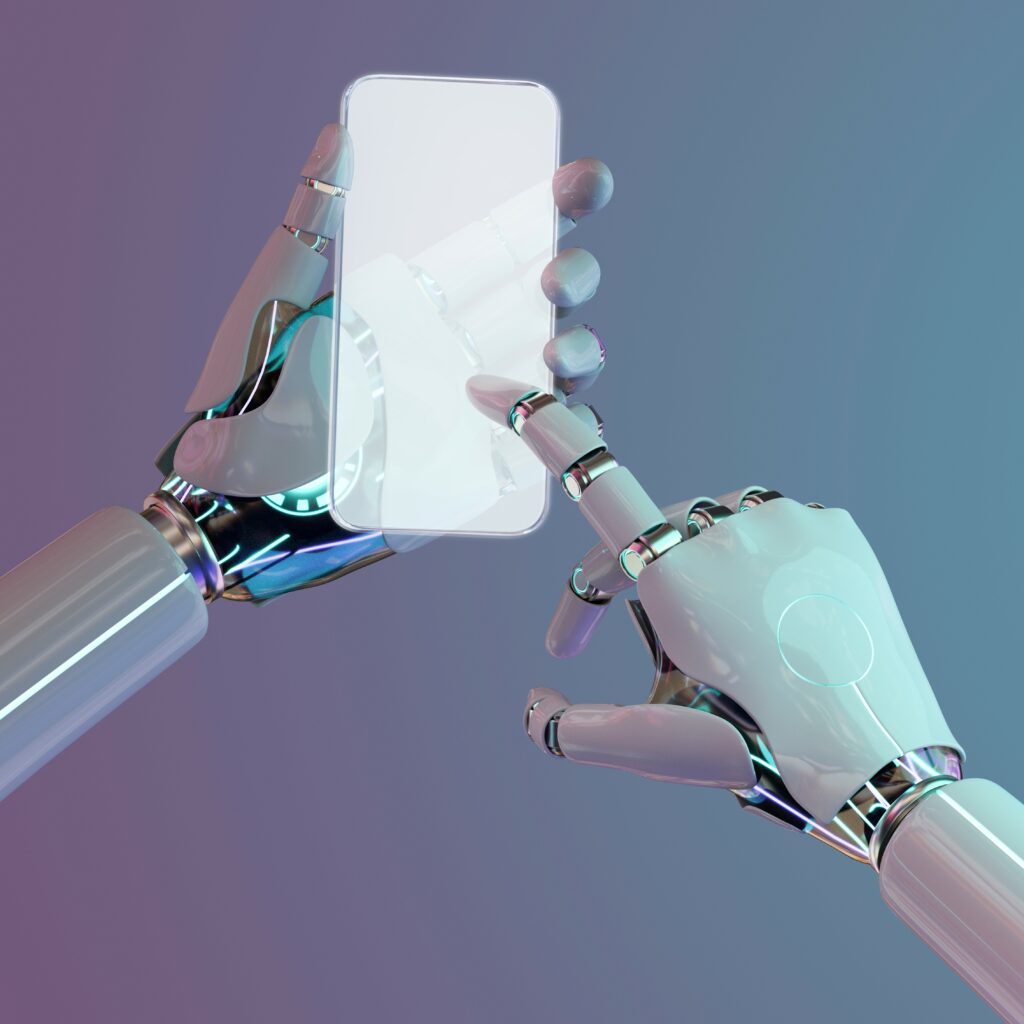
Chatbots are software that responds based on specific commands and keywords. They work by preprogrammed rules and are usually designed to perform certain tasks. They have limited ability to understand language and are often used to answer simple and repetitive questions. For example, a customer service chatbot can respond to frequently asked questions or perform simple operations.
Chatbots are used in customer service in areas such as answering frequently asked questions, arranging appointments, and enquiring about order status. They can offer product recommendations on e-commerce sites, provide shopping cart assistance, and support payment processes. In the banking industry, they perform tasks such as account balance inquiry, money transfer operations, and bill payment reminders. In the field of education, they can help with topics such as lesson schedule reminders, homework help and exam dates information.
What is conversational AI? What Does It Do?
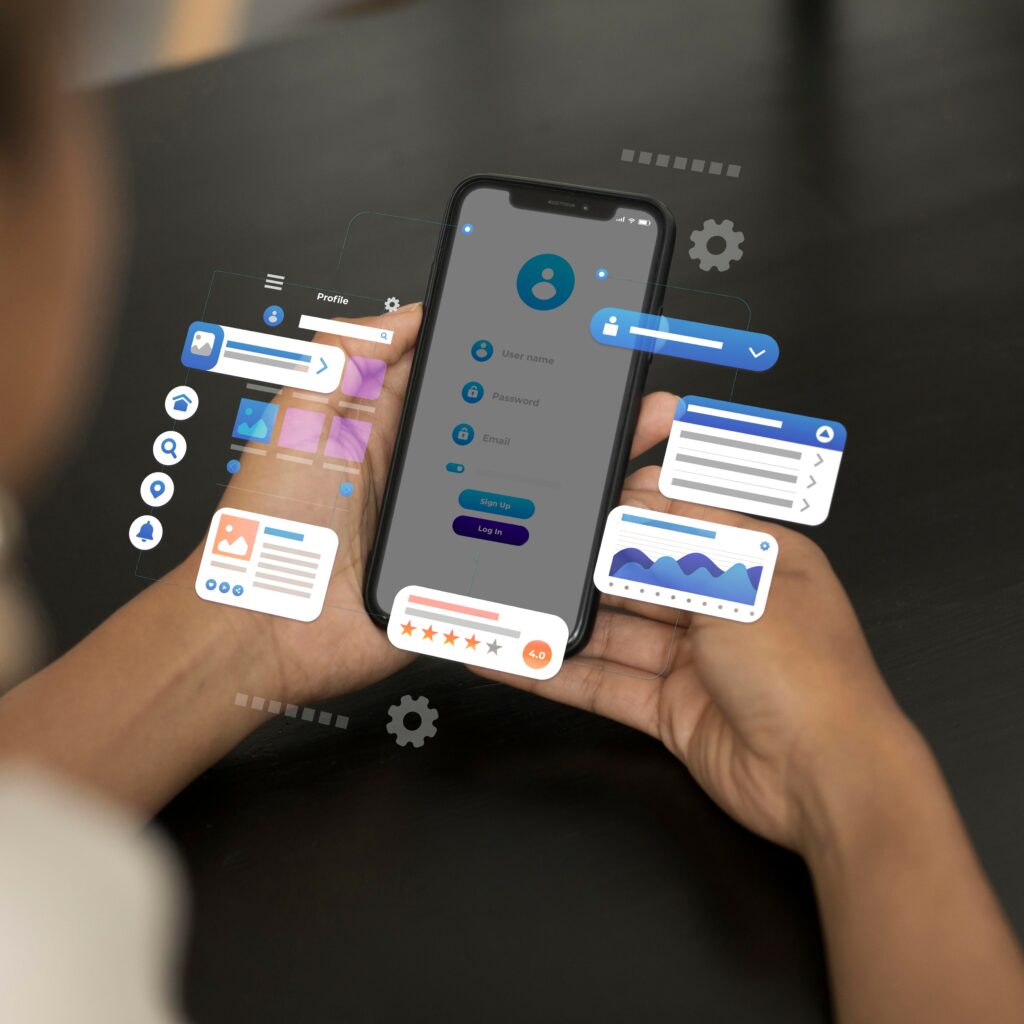
Conversational AI is developed using artificial intelligence and uses natural language processing (NLP) and machine learning algorithms. This technology tries to understand their intentions and context by interacting naturally and fluidly with users. It has the ability to manage complex and dynamic conversations and can be used in many areas, from customer service to sales, marketing to support services.
Conversational AI is used in customer service for tasks such as understanding and solving complex customer problems, providing personalized service. In the sales area, he promotes products or services by having natural conversations with potential customers and offers product recommendations according to customer needs. It offers personalized campaigns and offers in marketing, creates marketing strategies based on customer feedback. In the healthcare sector, he performs tasks such as managing patient appointments, providing medical advice and making prescription reminders.
Key Differences
Chatbot
Conversational AI
He has a limited ability to understand language. Because they work based on specific commands and keywords, they may find it difficult to fully understand what users are saying.
He is more advanced in understanding and interpreting natural language. It has the ability to understand users' intentions, feelings, and context.
They are based on specific commands and therefore their flexibility is limited. They can not go outside the preprogrammed rules.
It is more flexible and can respond by understanding the context. In this way, it creates a more natural and fluid interaction with users.
Usually suitable for simple and repetitive tasks. For example, such as giving product information on an e-commerce site or querying a balance in a bank.
It is used for more complex interactions and tasks. For example, understanding customer complaints and providing solutions, giving detailed product recommendations.
It depends on fixed programmed rules and therefore has no learning abilities. Once programmed, they cannot learn new information and continue to respond in the same way.
It improves itself over time thanks to machine learning algorithms. Produces more accurate and effective answers based on users' questions and feedback.
Technological Requirements and Infrastructure
We can list the technological requirements required for chatbots and conversational AI to work as follows:
Requirements for Chatbots:
- Programming based on certain rules with simple coding.
- Integration with websites and messaging applications.
- A database of frequently asked questions and answers.
Requirements for Conversational AI:
- Advanced artificial intelligence and machine learning algorithms, natural language processing (NLP) and deep learning technologies.
- Powerful data processing infrastructure that can analyze user interactions.
- Cloud-based solutions to run AI models that require high processing power.
Chatbot and Conversational AI Best Practices
Best practices for chatbots include providing clear and understandable responses, creating user-friendly interfaces, and updating the database regularly. In this way, users can get quick and effective responses.
Best practices for conversational AI include providing personalized experiences, using AI models that are constantly learning and evolving, and guiding human customer representatives on complex issues. In this way, a more natural and effective interaction with users is ensured.
Success Stories and Examples
Successful examples using chatbots and conversational AI can help us better understand the potential of these technologies.
Grispi
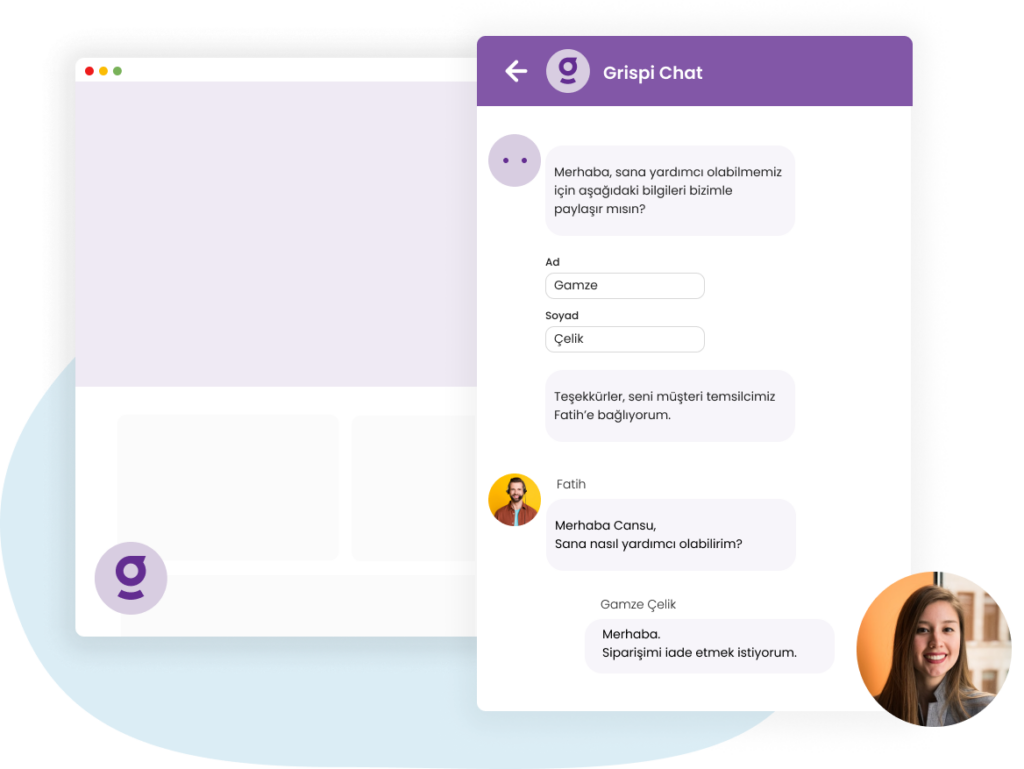
Grispi's chatbot feature understands customers' questions and provides quick answers with natural language processing technology. It provides automated answers to frequently asked questions, reducing the workload of customer representatives and increasing customer satisfaction. It also integrates with the CRM system and manages customer data.
H&M
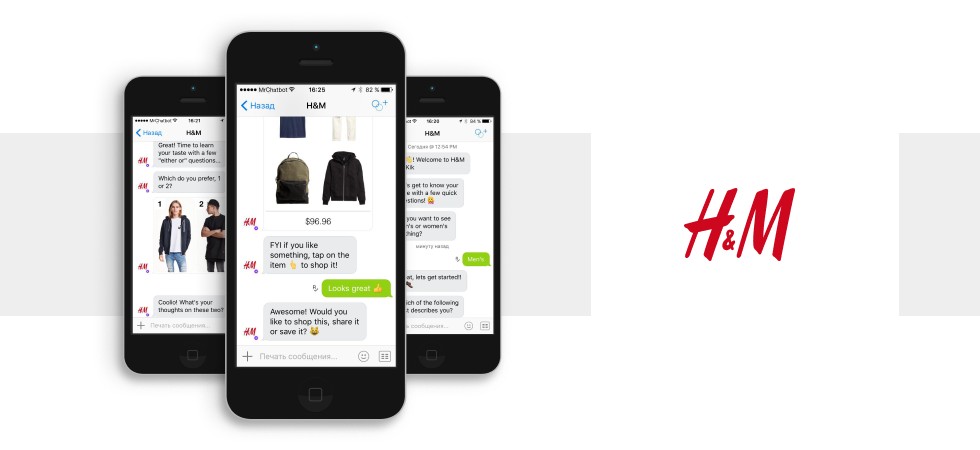
Fashion brand H&M uses a chatbot that offers customers clothing recommendations and streamlines the shopping process.
Domino's Pizza
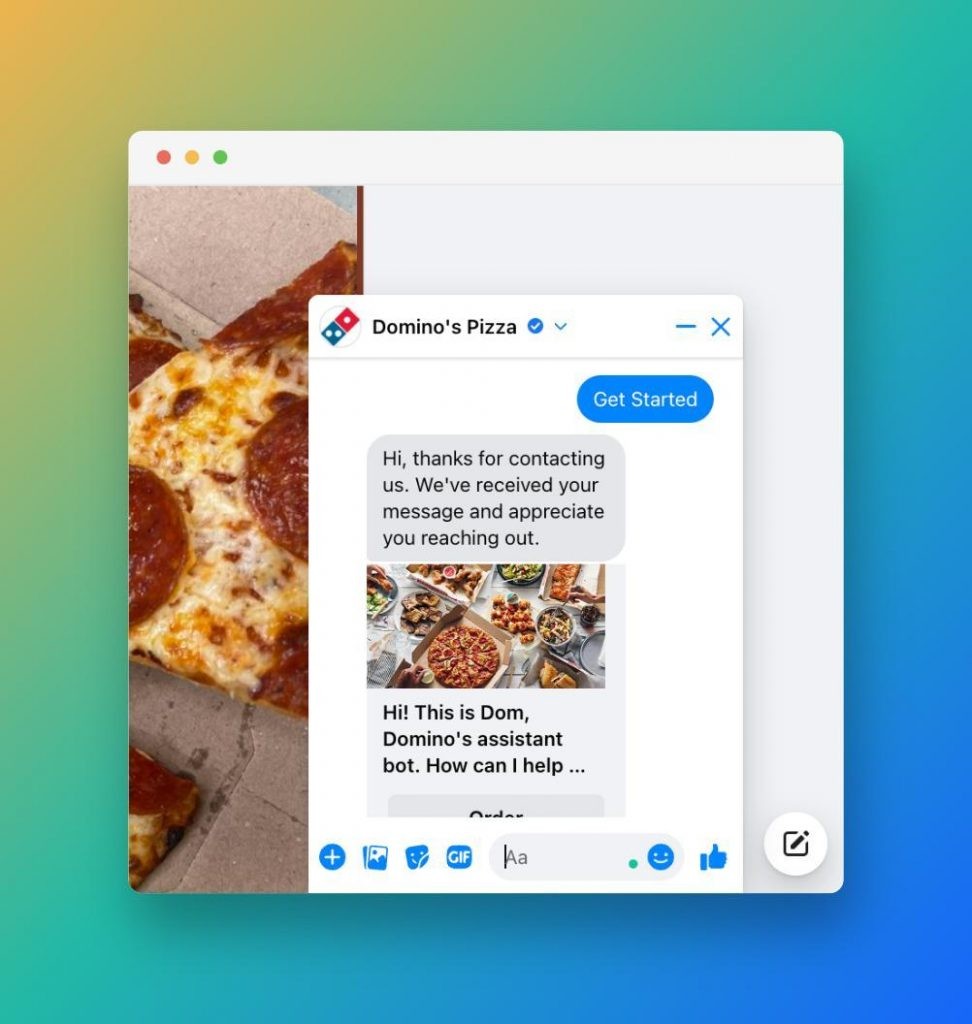
Domino's Pizza increases customer satisfaction with a chatbot that can quickly and easily take orders and let customers know about order status.
Sephora

Among the successful examples using conversational AI, Sephora uses an artificial intelligence that makes product recommendations to customers, offering skincare and makeup recommendations.
Amex
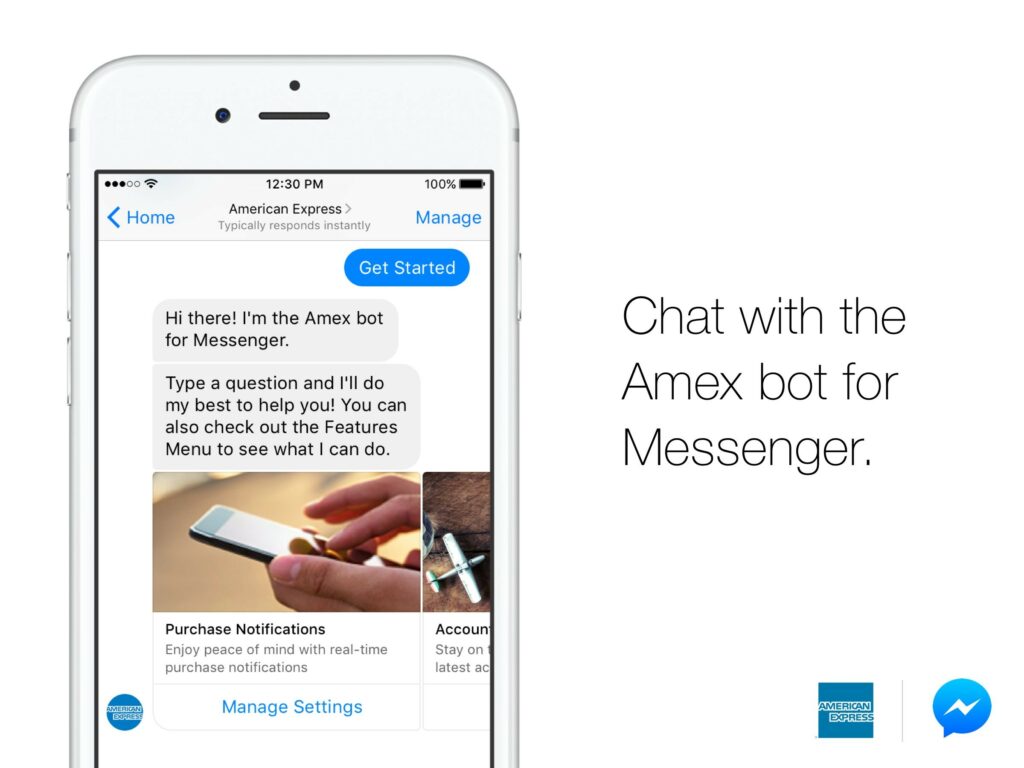
American Express stands out for its AI-powered customer service that answers customers' financial questions, manages account information, and offers personalized financial recommendations.
Chatbots and conversation-based artificial intelligence (Conversational AI) have different capabilities and uses to interact with users. Chatbots are suitable for simple and repetitive tasks, while Conversational AI is ideal for more complex and natural interactions. By using these two technologies, businesses can improve the customer experience and increase their operational efficiency by using these two technologies. Both chatbots and Conversational AI play an important role in the digital transformation process and provide great advantages when used correctly.
Contact Us
Fill in the form for detailed information and demo account and we will call you.
Müşteri deneyimi için çözümler
Çok kanallı destek, satış otomasyonu ve yapay zeka gücünü tek bir platformda birleştirin. Operasyonel verimliliği artırarak müşteri sadakatini güçlendirin ve ölçülebilir sonuçları hemen görmeye başlayın!
