
.svg.png)

CRM and Marketing Automation: Key Differences and Advantages
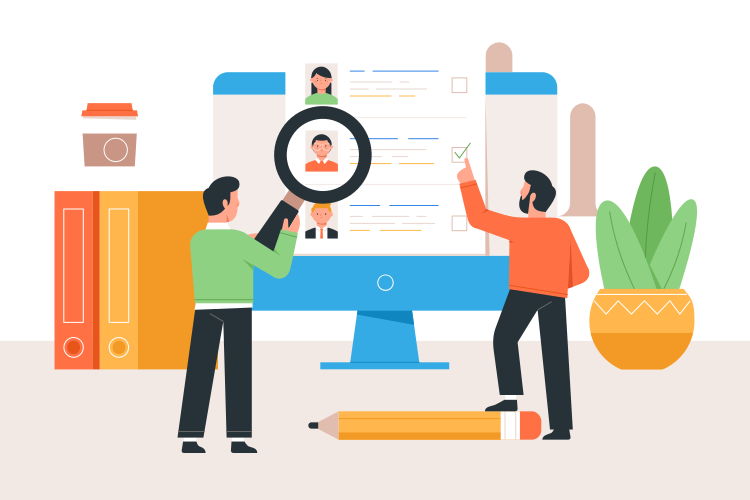
In their digital transformation processes, companies need CRM and marketing automation tools to manage customer relationships and strengthen their marketing strategies. Although these two solutions have similar goals, the values and operating principles they offer businesses are quite different.
So, what are the main differences between CRM and marketing automation? What are the advantages of these tools to companies? Here are all the details about the values that CRM and marketing automation add to companies.
What is CRM?
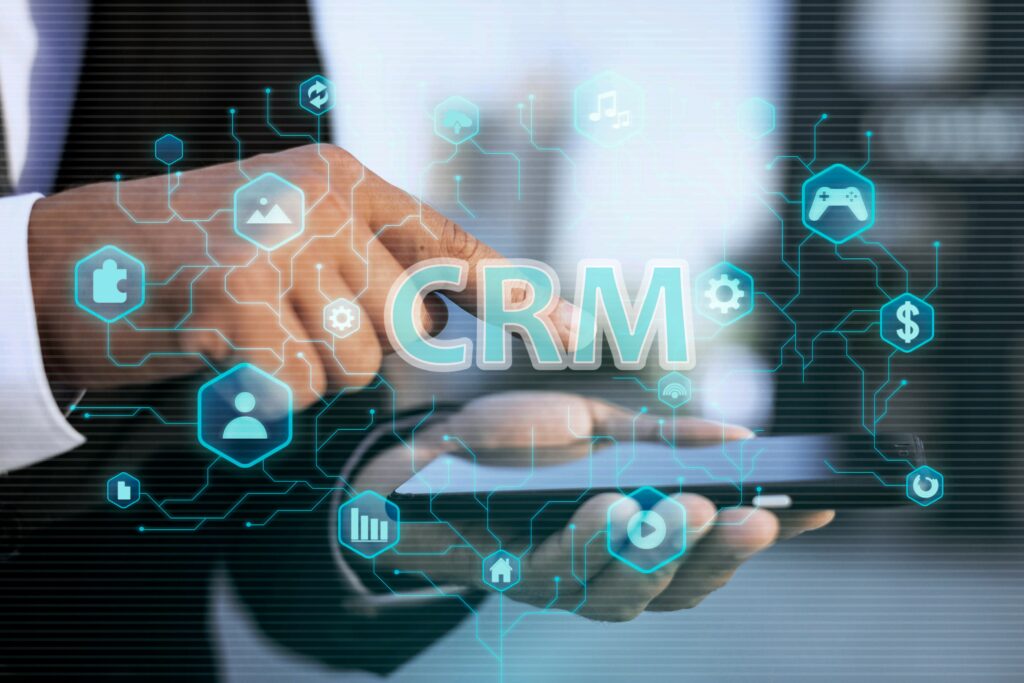
CRM (Customer Relationship Management) centralizes customer relationship management, aggregating customer interactions into a single platform, enabling businesses to use that data more effectively. CRM solutions, which organize the interaction of units such as sales, customer support and call center, take over the functions of creating customer profiles, storing contact history and offering personalized solutions. In this way, businesses manage customer relationships more sustainably and efficiently.
What is Marketing Automation?
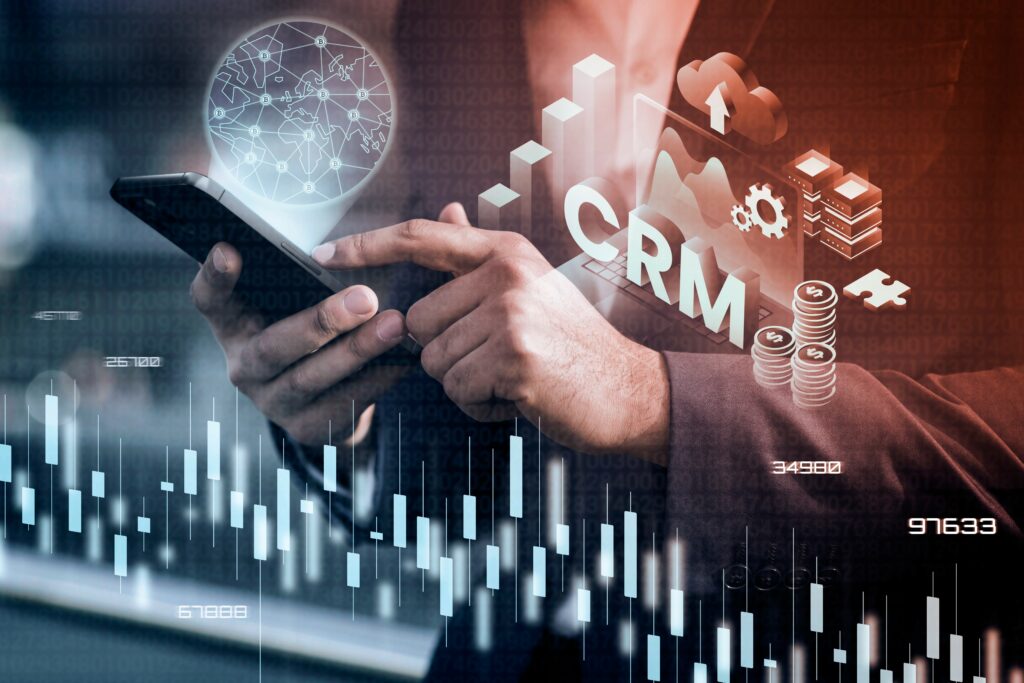
Marketing automation is a technology that automates marketing strategies aimed at increasing engagement with customers. Email campaigns, social media posts, and targeted marketing content are managed by marketing automation based on user behavior. Marketing automation tools analyze the customer journey and provide businesses with support in the processes of converting sales opportunities, customer loyalty.
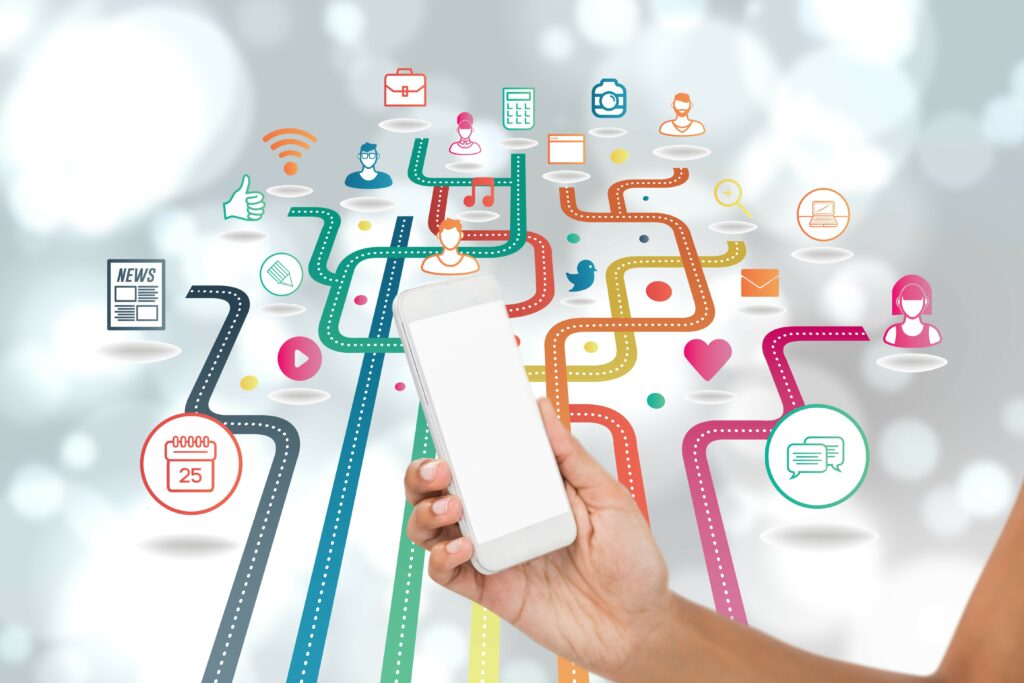
Key Differences Between CRM and Marketing Automation
Although CRM and marketing automation focus on strengthening customer relationships, there are some key differences between their use purposes and functions:
CRM (Customer Relationship Management)
Marketing Automation
Objective: Manages customer relationships and ensures long-term customer loyalty.
Objective: Focuses on driving leads by automating marketing processes.
Focus: Sales, customer service and customer satisfaction.
Focus: Increasing the effectiveness of marketing activities and ensuring interaction with potential customers.
Users: Usually used by sales teams, customer support and call center teams.
Users: Mainly used by marketing teams.
Interaction Time: Aims for continuous communication with the client; provides long-term relationship management.
Interaction Time: Effective at the beginning of the lead's marketing journey; focuses on short-term campaigns.
Data Management: Stores customer history, contact records and sales data in detail.
Data Management: Analyzes customer behavior and collects data to target marketing campaigns.
Personalization: Maintains personalized communication in sales and customer support.
Personalization: Organizes tailor-made marketing campaigns and delivers content specific to the target audience.
Reporting: Analyzes sales performance, customer satisfaction and return rates.
Reporting: Analyzes conversion rates, click-through rates, and engagement data of marketing campaigns.
Coverage: Tracks the customer along with all their interactions and builds long-lasting loyalty.
Coverage: Targets potential leads and tries to involve them in the sales process.
Sample Functions: Management of sales opportunities, follow-up of customer complaints, customer support history.
Sample Functions: Email marketing automation, social media campaign management, behavior-based targeting.
Result Orientation: Works to increase customer loyalty and satisfaction.
Result Orientation: Aims to capture leads that can turn into sales.
Advantages of Using CRM
- Centralized Data Management: CRM systems collect customer information in a single center. This allows sales and support teams to easily access customer data. Thus, all teams make decisions based on the same data and provide customers with more consistent service.
- Personalized Communication: CRM provides information about customer history, preferences, and shopping behavior. With this information, businesses can privately communicate with each customer, offer offers tailored to their needs, and improve the customer experience.
- Increase in Sales Performance: CRM systems allow sales teams to track opportunities, prioritize, and communicate effectively with the customer. This feature speeds up sales cycles and helps increase sales.

- Customer Loyalty and Satisfaction: CRM ensures long-term customer engagement by managing customer relationships. Satisfied customers are those who are more likely to make a purchase again. Thanks to CRM, problems are solved quickly, which increases customer satisfaction.
- Reporting and Analysis: CRM systems provide detailed reports on sales performance, customer satisfaction, and other important metrics. This data helps businesses make strategic decisions and provides an opportunity to continuously improve processes.
- Automation of Business Processes: CRM automates sales and customer support processes, enabling teams to work more efficiently. This automation minimizes repetitive tasks and allows employees to focus on more important tasks.
Advantages of Using Marketing Automation
- Time Saver: Marketing automation saves time by automating manual operations. When email campaigns, social media posts, and other marketing tasks are automated, teams can focus on more strategic tasks.
- Targeted Marketing: Marketing automation delivers personalized content by analyzing customer behavior. Increases conversion rates by organizing targeted campaigns. Increases customer engagement by providing content based on users' interests.
- Data Analysis and Reporting: Marketing automation monitors campaign performance in real time. Evaluates the effectiveness of strategies by following metrics such as click-through rates, open rates, and conversion rates. This data enables future campaigns to be more effective.
- Lead Management: Marketing automation facilitates the process of converting them into sales by tracking leads. Seeing what stages leads are in allows sales teams to develop more effective strategies.
- Automated Email Sending: Automated email is sent when certain events or customer behaviors are triggered. For example, automations such as reminders about products left in the cart, birthday greetings increase customer loyalty.
- Higher ROI (Return on Investment)Marketing automation enables more efficient use of resources. Well-planned automation processes allow for higher conversion rates while reducing costs.
Advantages of Using Grispi Instead of Marketing Automation
Integrated Solutions: Grispi offers CRM and marketing automation functions together. In this way, businesses can manage all customer relationships and marketing activities through a single platform instead of separate systems.
User Friendly Interface: Grispi's interface is user-friendly and allows teams to adapt quickly. By shortening the training process, it enables teams to make more efficient use of the system.
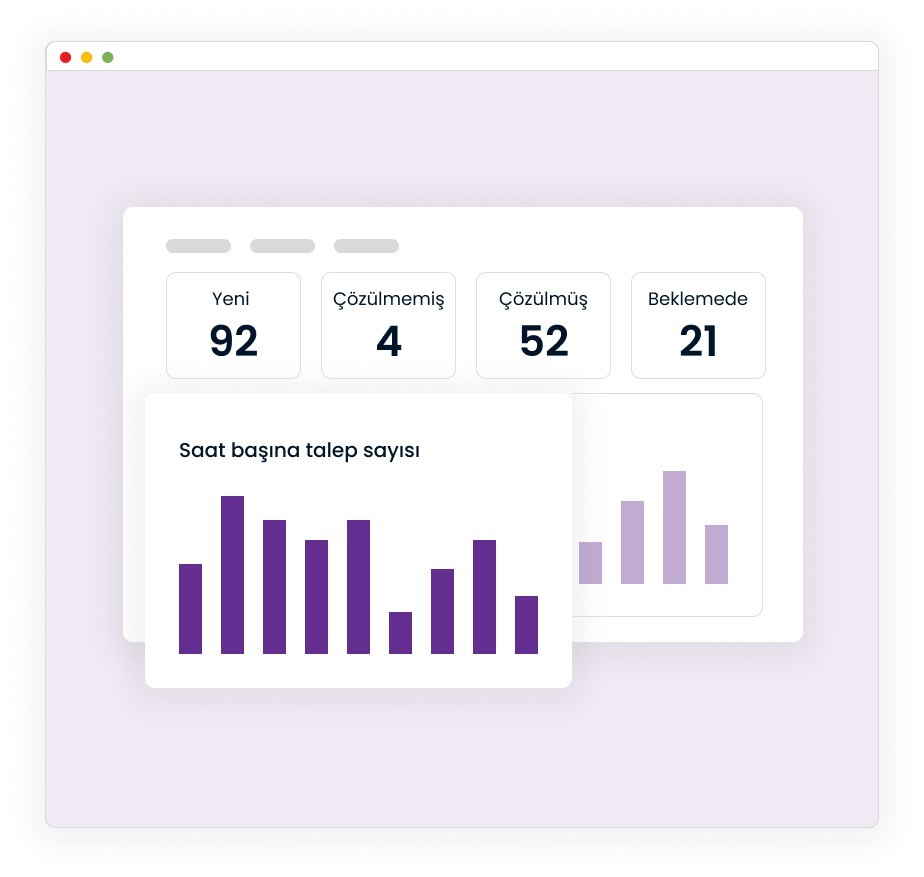
Real-Time Data Analysis: Grispi offers real-time data on customer interactions. With this data it becomes possible to adjust marketing strategies instantly, so that more effective campaigns can be created.
Customizable Reporting: Grispi offers customizable reports for the needs of businesses. These reports help businesses analyze performance and make strategic decisions.
Cost Effectiveness: Reduces spending on separate software by offering both CRM and marketing automation functions on a single platform. This gives businesses a cost advantage.
Marketing Integration with Customer Relationship Management: Grispi improves efficiency in both areas by integrating customer relations and marketing processes. By analyzing customer interactions, it allows the creation of more targeted marketing strategies.
Flexibility and Scalability: Grispi can be customized according to their needs with the growth of businesses. The system is easy to adjust as needs change, which offers a long-term solution.

Knowing the differences between CRM and marketing automation makes it easy to choose the tool that best suits your business needs. CRM solutions make customer relationships sustainable, while marketing automation automates audience reach. But by opting for a comprehensive CRM solution like Grispi, you can both manage customer relationships and optimize your marketing processes. In this way, you take a strategic step towards achieving your business goals.
Grispi Prices
- Start-ups: $7
- Level Up: $14
- The Enterprise: $39
Contact Us
Fill in the form for detailed information and demo account and we will call you.
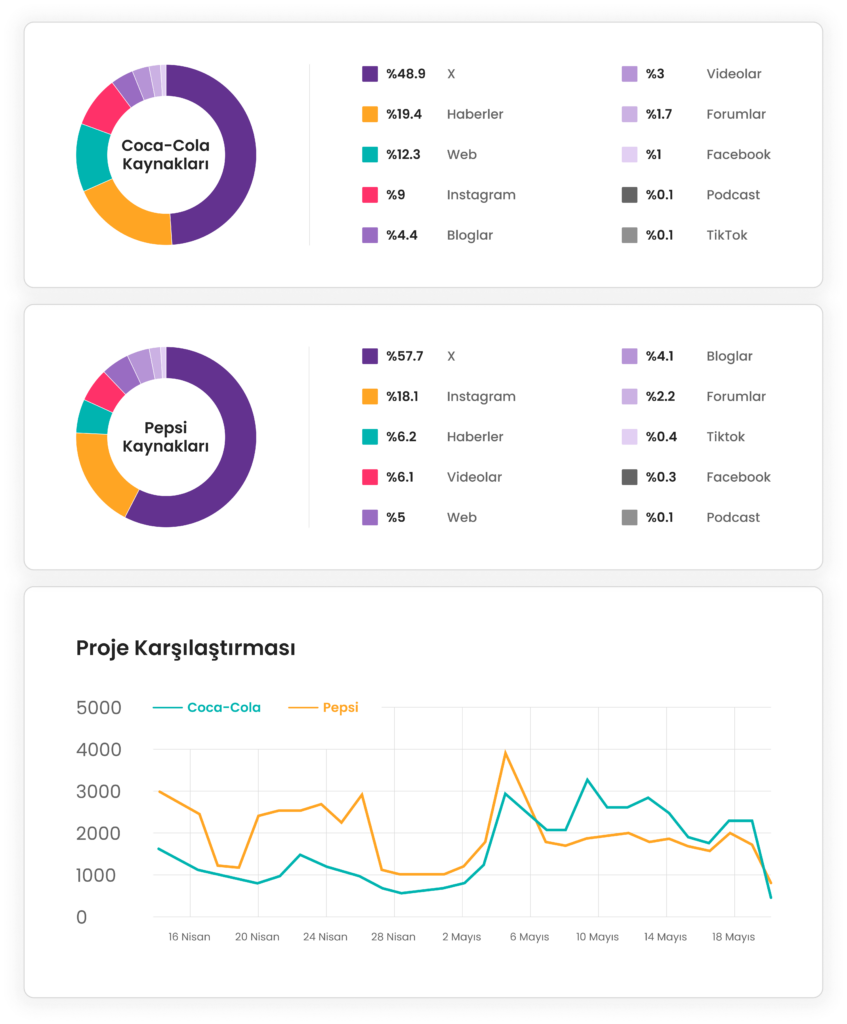
Müşteri deneyimi için çözümler
Çok kanallı destek, satış otomasyonu ve yapay zeka gücünü tek bir platformda birleştirin. Operasyonel verimliliği artırarak müşteri sadakatini güçlendirin ve ölçülebilir sonuçları hemen görmeye başlayın!
